
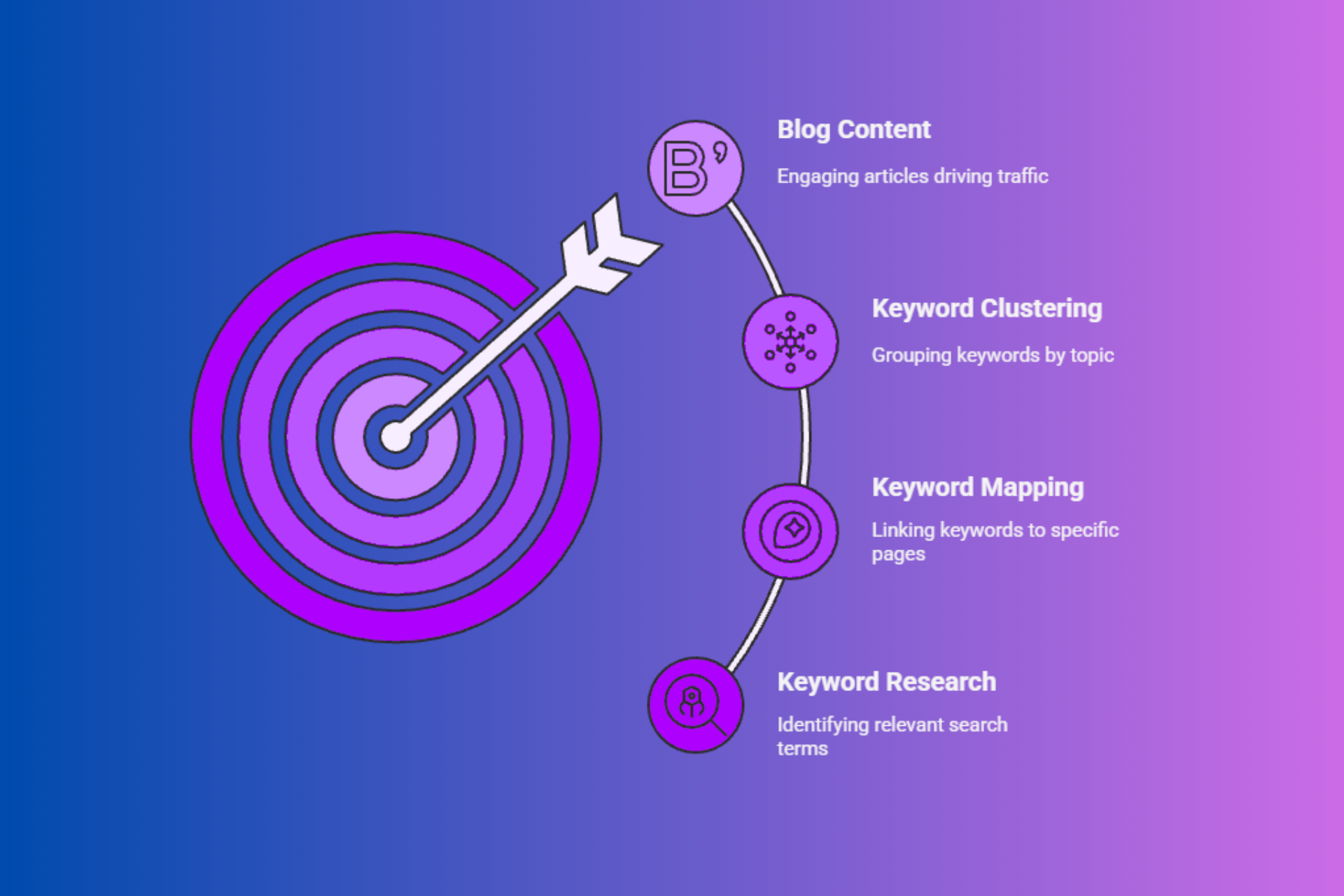
As a dentist in Sydney looking to attract more patients online, mastering SEO (Search Engine Optimization) is essential. However, it all starts with effective keyword research techniques. Knowing how to choose the right keywords can make the difference between ranking on the first page of Google and getting lost in the search results.
In this guide, we’ll walk you through how to conduct keyword research, map keywords to specific pages, and use keyword clustering for your dentist website in Sydney. We’ll also dive into how to create a content strategy that targets the right keywords for your services, blog, and location. Let’s dive into the practical steps!
Step 1: Conducting Keyword Research for Your Dentist Website
The first step to any SEO strategy is conducting thorough keyword research. This involves identifying the terms potential patients in Sydney are searching for when looking for dental services.
How to Conduct Keyword Research for a Dentist Website:
-
Use Local Keywords: Since you are targeting Sydney, use location-based keywords. For example:
- “Dentist in Sydney”
- “Best dentist in Sydney”
- “Sydney cosmetic dentist”
- “Emergency dentist Sydney”
-
Identify Service Keywords: Think about the specific services you offer and create keywords around those:
- “Teeth whitening Sydney”
- “Dental implants in Sydney”
- “Family dentistry Sydney”
- “Orthodontics Sydney”
-
Leverage Long-Tail Keywords: Long-tail keywords are more specific and often have less competition, helping you target patients who know exactly what they need. For example:
- “Affordable teeth whitening near me”
- “Best pediatric dentist in Sydney”
- “Sydney dentist for anxiety patients”
-
Use Tools for Keyword Research: Use SEO tools like SEMrush, Ahrefs, or Google Keyword Planner to find high-volume keywords and assess their competition. Focus on keywords with moderate search volume but low to medium competition.
Example:
- Primary Keyword: “Dentist in Sydney”
- Secondary Keywords: “Emergency dentist Sydney,” “Sydney family dentist”
- Long-Tail Keywords: “Best dentist for kids in Sydney,” “Affordable dental implants Sydney”
Step 2: Keyword Mapping – Assigning Keywords to Specific Pages
Once you’ve gathered your keywords, the next step is keyword mapping. This is the process of assigning the right keywords to the most relevant pages on your website. Effective keyword mapping ensures each page targets specific keywords, improving SEO and reducing keyword cannibalization.
How to Map Keywords to Your Website Pages:
-
Homepage: The homepage should target your primary keyword, which is likely the broadest search term for your business, such as “Dentist in Sydney” or “Sydney Dental Clinic”.
-
Service Pages: Each individual service page should focus on a unique keyword that describes that service. For example:
- Teeth Whitening Page: “Teeth whitening Sydney” or “Affordable teeth whitening in Sydney”
- Dental Implants Page: “Dental implants Sydney” or “Sydney implant dentist”
- Pediatric Dentistry Page: “Children’s dentist in Sydney” or “Best pediatric dentist in Sydney”
-
Blog Section: Use blogs to target long-tail keywords and local queries. For example:
-
Blog Post 1: “How to Find the Best Family Dentist in Sydney”
-
Blog Post 2: “Top 5 Benefits of Dental Implants in Sydney”
-
Example of Keyword Mapping:
- Homepage: “Dentist in Sydney”
- Teeth Whitening Page: “Teeth Whitening Sydney”
- Dental Implants Page: “Dental Implants Sydney”
- Pediatric Dentistry Page: “Sydney Pediatric Dentist”
- Blog Post: “How to Choose the Right Dentist for Your Family in Sydney”
By strategically placing keywords on individual pages, you ensure each page is optimized for a specific search intent.
Step 3: Keyword Clustering – Organizing Your Keywords into Topics
Keyword clustering is the practice of grouping similar keywords into clusters. This allows you to create content that targets a variety of related search terms, which can improve your site’s topical authority and increase your chances of ranking for multiple terms.
How to Use Keyword Clustering:
-
Group by Service: Cluster keywords based on services you offer. For example:
-
Cluster 1: General Dentistry: “Dentist in Sydney,” “Sydney dental clinic,” “Affordable dentist Sydney”
-
Cluster 2: Cosmetic Dentistry: “Cosmetic dentist Sydney,” “Teeth whitening Sydney,” “Veneers Sydney”
-
Cluster 3: Orthodontics: “Orthodontist Sydney,” “Braces Sydney,” “Invisalign Sydney”
-
-
Create Pillar Content: For each cluster, create a pillar page that acts as a comprehensive guide for that topic. For example, your General Dentistry cluster might have a pillar page like “Complete Guide to General Dentistry in Sydney,” which links to various sub-pages or blog posts focusing on specific topics like fillings, cleanings, or root canals.
-
Link Related Content: Interlink between cluster pages. For instance, link your blog posts about teeth whitening to your cosmetic dentistry page and vice versa.
Example of Keyword Clusters:
-
Cluster 1: General Dentistry:
-
Keywords: “Dentist in Sydney,” “Affordable dental care Sydney,” “General dentist Sydney”
-
Pillar Content: “General Dentistry Services in Sydney”
-
Related Blog Posts: “How Often Should You Visit the Dentist in Sydney?”
-
-
Cluster 2: Cosmetic Dentistry:
-
Keywords: “Cosmetic dentist Sydney,” “Best teeth whitening in Sydney”
-
Pillar Content: “Complete Guide to Cosmetic Dentistry in Sydney”
-
Related Blog Posts: “5 Benefits of Getting Veneers in Sydney”
-
Step 4: Creating Blog Content Around Your Keywords
Blogging is a powerful way to target long-tail keywords and local search queries. For a dentist in Sydney, your blog can answer common questions, share dental tips, or discuss trends in dental care while strategically targeting relevant keywords.
How to Optimize Blog Content:
-
Write for User Intent: Each blog post should address the specific needs or questions of potential patients. For example, a blog titled “How to Choose the Best Dentist in Sydney” directly addresses a common user query.
-
Incorporate Local Keywords: Always include location-based keywords in your blog posts. This helps you attract local search traffic.
-
Optimize for Featured Snippets: Structure your blog posts to answer questions directly. Google often picks up concise answers for featured snippets, so ensure your content is well-organized and answers common questions directly.
Blog Post Examples:
- “How to Choose the Best Dentist in Sydney”
- “The Benefits of Teeth Whitening for Sydney Residents”
- “What to Expect During Your First Visit to a Sydney Dentist”
Keyword research is the foundation of any successful SEO strategy for a dentist website in Sydney. By using the right keyword research techniques, mapping those keywords to specific pages, clustering related keywords, and optimizing your blog content, you can significantly improve your visibility in local search results.
To refine your keyword strategy by focusing on local search intent, keeping your content fresh, and optimizing for the latest SEO trends, like voice search and AI-powered search.
